Inexpensive Custom Produce Boxes: Excellent Packaging for Any Budget
Affordable personalized vegetable boxes play an essential role in contemporary commercial operations. They combine quality and cost-effectiveness, making them accessible to a wide range of companies. These boxes not only enhance corporate image but also cater to eco-conscious consumers. Companies can achieve this without straining their budgets. Comprehending the core characteristics and material options will demonstrate how such packaging can transform client satisfaction. The next steps may hold the key to unlocking increased achievement.
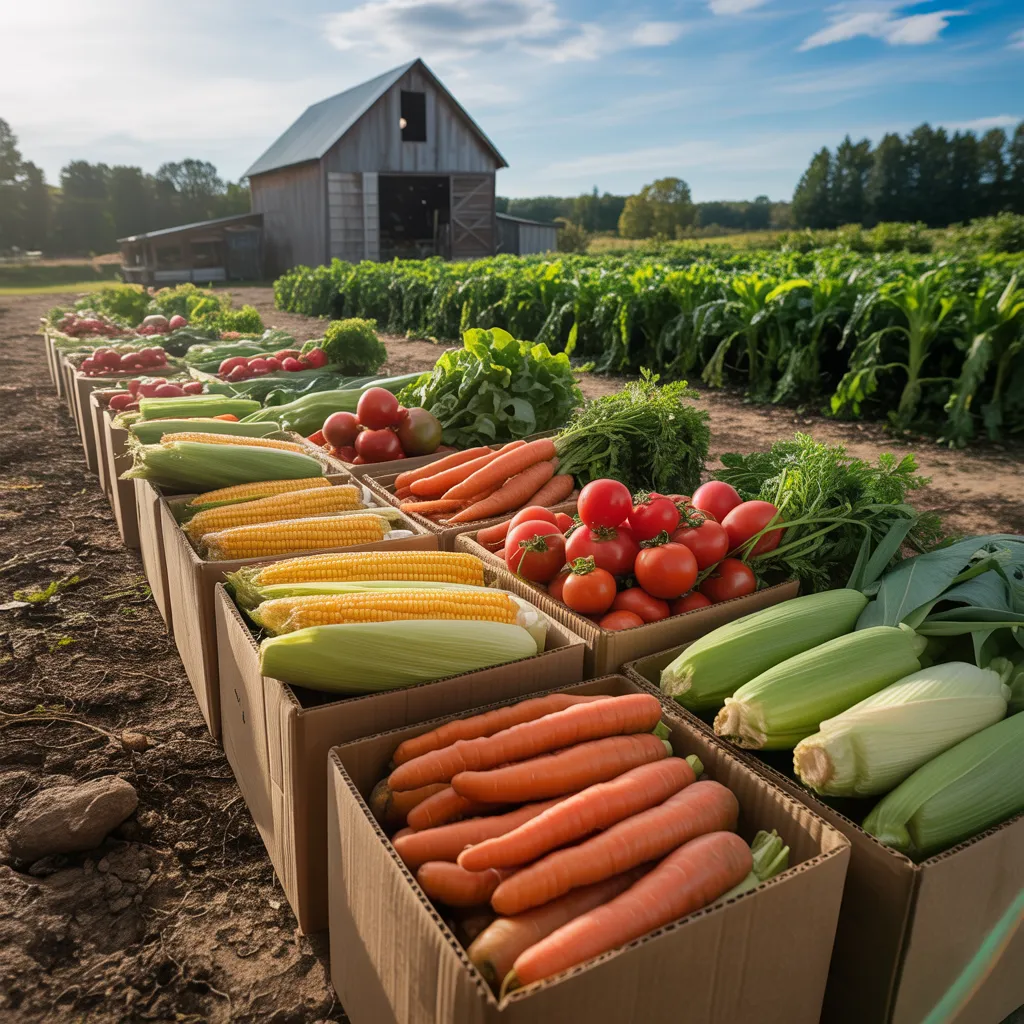
The Significance of Custom Produce Boxes for Your Organization
Custom produce boxes play an essential role in shaping a business's brand identity and enhancing customer experience. These boxes are not merely functional; they serve as a visual representation of the brand, attracting attention and building recognition. Attention-grabbing designs and quality materials convey professionalism and care, setting a business apart in a competitive market.
Moreover, custom packaging allows companies to convey their values, such as sustainability or local procurement, directly to consumers. This relationship establishes confidence and allegiance, promoting repeat purchases.
In addition, the fitting packaging can improve the unboxing experience, shifting a simple transaction into a memorable event. As customers come across distinctive design, they are more likely to post their encounters on digital platforms, extending brand reach.
Fundamentally, custom produce boxes preserve goods and play a vital role in brand awareness and buyer interaction, making them a valuable investment for all enterprises.
Essential Elements for Budget-Friendly Personalized Produce Packaging
Affordable custom produce packaging should prioritize specific features that balance cost and functionality. First, durability is vital; packaging must withstand handling and transportation without harming the integrity of the produce. In addition, lightweight materials can cut shipping costs while keeping protection. Personalization options, such as branding and size adjustments, enhance marketability without greatly increasing expenses.
Ventilation represents another key element; ventilated packaging solutions maintain freshness, decreasing spoilage and waste. Additionally, simplified assembly and disassembly supports cost-effectiveness by enhancing the packing process. Eco-friendliness continues to gain importance; incorporating sustainable or compostable options resonates with environmentally aware consumers, strengthening brand image. Finally, explicit labeling options enable inventory management and compliance with regulations. By highlighting these essential features, businesses can create cost-effective custom produce packaging that addresses both functional and budgetary needs.
Comparing Material Choices for Budget-Friendly Produce Boxes
When examining reasonably priced custom produce containers, picking the right components is important. Plastic and cardboard options each present unique benefits, affecting both cost and sustainability. Moreover, exploring eco-friendly options can generate creative design solutions that achieve financial constraints while supporting environmental responsibility.
Cardboard Against Plastic Solutions
While both cardboard and plastic serve as viable materials for produce boxes, their contrasting properties can considerably shape cost and sustainability impact. Cardboard, typically more economical, offers excellent tailoring options and is broadly recyclable, appealing to businesses aiming for budget-friendly solutions. However, it may not withstand to resist moisture adequately, potentially jeopardizing product integrity. On the other hand, plastic boxes provide robustness and resistance to water, making them suitable for prolonged storage periods. They can be more costly initially but are reusable, which may reduce costs over time. Ultimately, the choice between cardboard and plastic depends on defined needs, including budget constraints, find this resource product type, and anticipated longevity, highlighting the necessity of inspecting both material options before making a decision.
Eco-Friendly Material Alternatives
Utilizing eco-friendly material choices is crucial in crafting affordable produce boxes, influencing both the environmental footprint and market desirability. Materials such as post-consumer recycled cardboard and biodegradable options are increasingly selected for their sustainable features. Post-consumer recycled cardboard lowers waste and cuts demand for virgin materials, making it appealing to eco-conscious consumers. Moreover, biodegradable alternatives, including plant-based plastics, offer an eco-friendly solution that decomposes without harmful residues. These materials not only improve the sustainability of produce boxes but also draw customers who prioritize eco-friendliness. Ultimately, selecting appropriate materials is vital for producers seeking to balance cost with environmental responsibility, contributing to a greener packaging industry.
Cost-Efficient Design Options
Examining affordable design approaches for affordable produce boxes shows a variety of material options that maintain quality and price. Cardboard stands as a popular choice, offering durability and lightweight attributes at a low cost. Corrugated cardboard enhances structural integrity, making it ideal for heavier produce while still being budget-friendly. For a more eco-conscious approach, recycled paperboard provides a sustainable option without losing affordability. Additionally, plastic alternatives, such as biodegradable or reusable materials, can yield long-term savings despite higher initial costs. Each material presents unique benefits, giving businesses the ability to select based on their specific needs, ensuring that quality packaging is kept accessible for all budgets while effectively protecting the contents within.
Budget-Friendly Tips for Finding Custom Packaging
When obtaining personalized packaging solutions on a limited budget, companies can benefit from a planned strategy that prioritizes economic savings without compromising quality. First, comparing multiple suppliers is essential; this enables a better understanding of price ranges and available options. Additionally, choosing standard sizes and designs can significantly lower costs, as custom molds and unique shapes often incur increased costs.
One helpful suggestion centers on purchasing in bulk, which often leads to discounts and lower per-unit costs. Moreover, companies ought to evaluate local suppliers to reduce delivery charges and support community economies.
Lastly, assessing green materials can be cost-effective and attract environmentally conscious consumers. By implementing these cost-conscious methods, businesses can obtain quality custom packaging that meets their financial constraints while still effectively serving their product needs.
Upgrading Your Produce Boxes With Custom Branding
Custom branding on packaging containers can greatly impact customer perspective, making eye-catching designs essential for attracting attention. Moreover, incorporating environmentally responsible materials not only enhances the aesthetic appeal but also aligns with rising eco-consciousness among buyers. In combination, these elements can boost a brand's recognition and market presence.
Eye-Catching Designs Are Significant
Striking designs serve a significant role in the marketing of produce boxes, significantly impacting customer understanding and buying decisions. A well-designed box can attract focus on busy shelves, allowing products to stand out. Unique graphics, bright colors, and readable typography help communicate the brand's character and principles, fostering a personal connection with consumers. Additionally, designs that showcase quality and excellence can enhance the perceived worth of the produce inside. Custom branding not only differentiates products from rivals but also encourages brand loyalty among consumers. As shoppers more often look for attractive packaging, putting resources in striking visuals becomes necessary for companies striving to boost sales and create a memorable presence in the marketplace.
Sustainable Material Alternatives
Choosing sustainable material alternatives for packaging containers enhances their appeal while also satisfying rising market interest for environmentally responsible products. Multiple enterprises are adopting naturally decomposable, waste-convertible, and recyclable materials, which minimize environmental consequences while ensuring functional performance. Alternatives such as corrugated cardboard and plant-based bioplastics deliver strength and protection for perishable items. Logo incorporation can be effortlessly woven in into these materials, enabling organizations to express their sustainability focus. Through using sustainable inks and understated layouts, entities can more effectively display their environmental efforts. Essentially, implementing sustainable materials builds a strong brand reputation and resonates with environmentally minded shoppers, generating a beneficial outcome for both enterprises and the environment.
Case Studies: The Way Small Businesses Flourished Using Custom Produce Packaging
Small companies have transformed their marketing and revenue approaches through cutting-edge agricultural packaging innovations. One significant example is a local organic farm that revamped its packaging to feature vibrant, eco-friendly boxes. This not only enhanced the farm's aesthetic presentation but also communicated its commitment to sustainability, resulting in a 30% rise in revenue.
One instance involved a small grocery store that established bespoke, tagged produce boxes. This approach strengthened organizational efficiency and customer satisfaction, generating a 15% increase in repeat customers.
A third enterprise, a community-supported agriculture (CSA) program, adopted customized wrapping showcasing local artwork. This distinctive strategy cultivated local participation and loyalty, eventually boosting membership by 25%.
These scenarios establish that effective custom produce packaging can substantially facilitate advancement of small ventures, reinforcing brand identity and encouraging customer connections while remaining economically viable.
Frequently Inquired Questions
What are the minimum purchase requirements for personalized produce boxes?
Minimum order quantities for custom produce boxes commonly fall between 100 to 500 units, contingent on the supplier. Variables like design complexity and material choice also influence the required minimums for orders.
How Long Will It Take to Receive Your Custom Produce Boxes?
You can expect to get custom produce boxes in roughly two to four weeks after submitting an order. Factors including complexity of the design and production schedules may affect the overall timeframe for delivery.
Is It Feasible to Design My Own Personalized Produce Box?
Yes, people can create their own custom produce boxes. Many companies supply online design tools, allowing customers to choose dimensions, colors, and graphics, ensuring a personalized packaging solution that meets their particular desires and specifications.
Are There Sustainable Alternatives for Custom Packaging?
Yes, many environmentally friendly alternatives exist for tailored packaging. Companies supply substances like recycled cardboard, biodegradable plastics, and plant-based inks, permitting businesses to develop sustainable packaging options that limit environmental impact while still fulfilling their identity needs.
What Are the Common Cost Brackets for Custom Produce Boxes?
A typical price range for custom produce boxes fluctuates between $0.50 to $3.00 per unit, reliant on materials, size, and complexity of the design. Bulk orders may reduce costs substantially, offering more cost-efficient options for businesses.